

Powering Innovation in Diabetes Services
The UK has been making good progress on tackling diabetes in the UK for many years. The UK can bring together NHS clinical expertise, research, technology and implementation that could help other health systems tackle diabetes.
- Evidenced based national prevention programmes. The UK combines universities, charities and the NHS to take discoveries from research into real-world clinical practice.
- Exceptional clinical research infrastructure. UK government guidance highlights the UK’s integrated clinical research infrastructure, specialist NHS research networks and ability to give researchers access to NHS sites and patient populations for clinical studies.
- Precision medicine for patients. Centres such as NIHR Exeter Biomedical Research Centre undertake research spanning prevention, diagnosis and treatment, including using genetics and data to identify the right diabetes treatment for the individual.
- Innovation in diabetes – cutting-edge technology. UK expertise encompasses areas such as artificial pancreas technology, glucose monitoring, beta-cell/islet replacement, immunotherapy and genetic approaches. Diabetes UK, a leading charitable funder, supports over 100 research projects.
- National collaboration around major health challenges. NIHR and Diabetes UK have established a UK-wide clinical and applied diabetes research strategy covering priorities including type 2 diabetes prevention, gestational diabetes, health inequalities and translating research into practice.
-
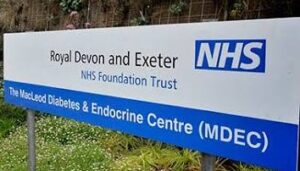
All NHS Trust Hospitals have programmes to focus on prevention and treatment of the disease and these are examples of centres of excellence.
Healthier You
The NHS Healthier You NHS Diabetes Prevention Programme is the first programme in the world to achieve universal population coverage, with nearly 1 million people using it, resulting in 37% reduced incidence of diabetes in participants and 7% at population level.
In just 9 months patients can prevent type 2 diabetes by joining the expert-led NHS Diabetes Prevention Programme (DPP).
Reduce risks of developing type 2 diabetes with coaching, and personalised advice around nutrition, movement and motivation.
Across the UK, the NHS RightCare diabetes pathway defines an optimal diabetes service that delivers better value outcomes and reduced cost for local health systems.
The Challenge
Diabetes UK estimates that over 5 million people in the UK are living with diabetes, which is an all-time high with a further 2.4 million at risk of Type 2 diabetes.
More than half a billion people are living with diabetes worldwide, affecting men, women, and children of all ages in every country, and that number is projected to more than double to 1.3 billion people in the next 30 years, with every country seeing an increase. Challenging figures especially given how the disease also increases the risk for ischemic heart disease and stroke.
Exciting new diagnostic systems for quicker and more accurate detection of disease
- NHS genetic testing finds a rare form of diabetes in thousands of people unaware they are living with the disease, alongside a new training scheme for staff. Monogenic diabetes, affecting 12,000 people in England, if left undetected, results high glucose levels that can cause blindness, amputations and greater risk of a heart attack
- NHS diabetic retinopathy screening services are using Optical Coherence Tomography (OCT), which can take 3D images of the retina instead of 2D, reducing false positives and improving accurate diagnosis and referral of patients needing treatment, such as intravitreal injections.
New surgical techniques

45 minute islet transplantation to free patients from insulin dependence and reduce risk of coma from hypoglycaemia

Bariatric surgery improves diabetes or puts it into remission and reduces cost to the NHS (by £4k a year per patient)

Improved outcomes from peri-operative care pathway: better health outcomes and 30% reduction in length of stay in hospital
New ways to monitor patients
- Over 65% of people living with type 1 diabetes now access flash glucose monitoring, and it has been made available to almost all eligible pregnant women
- Hybrid closed loop systems (or “artificial pancreas”) link blood sugar monitors to insulin pumps to ensure the right levels are given. More than 70% of people reported that using the system improved their blood sugar levels and quality of life
- An app, DBm-Health monitors blood glucose remotely and creates more clinician time to focus on those patients who most need support.
Find out more
Contact us for more information about the UK’s services in Diabetes.